Individual Evaluation
Every painful knee deserves a careful evaluation before surgery is considered.
Knee Replacement
Knee replacement is more than replacing worn cartilage. It is a reconstruction intended to restore comfort, stability, and confidence while helping patients return to the activities that matter most.
Every recommendation begins with understanding your symptoms, reviewing your imaging, and determining whether surgery is truly the right treatment.

Thoughtful Evaluation
Patients often assume that persistent knee pain inevitably leads to replacement. In reality, pain around the knee can come from arthritis, soft-tissue problems, instability, the hip, the spine, or other conditions.
The first step is identifying the source of the symptoms and understanding how they affect daily life. For many patients, nonsurgical care remains appropriate. For others, replacement may offer the most reliable path toward meaningful improvement.
The diagnosis determines the treatment—not the other way around.
A Complete Care Pathway
Every painful knee deserves a careful evaluation before surgery is considered.
Nonsurgical treatment remains appropriate for many patients before knee replacement becomes necessary.
Alignment, implant selection, and surgical planning are tailored to the individual knee.
Recovery continues well beyond surgery through ongoing follow-up focused on lasting function.
Understanding Knee Pain
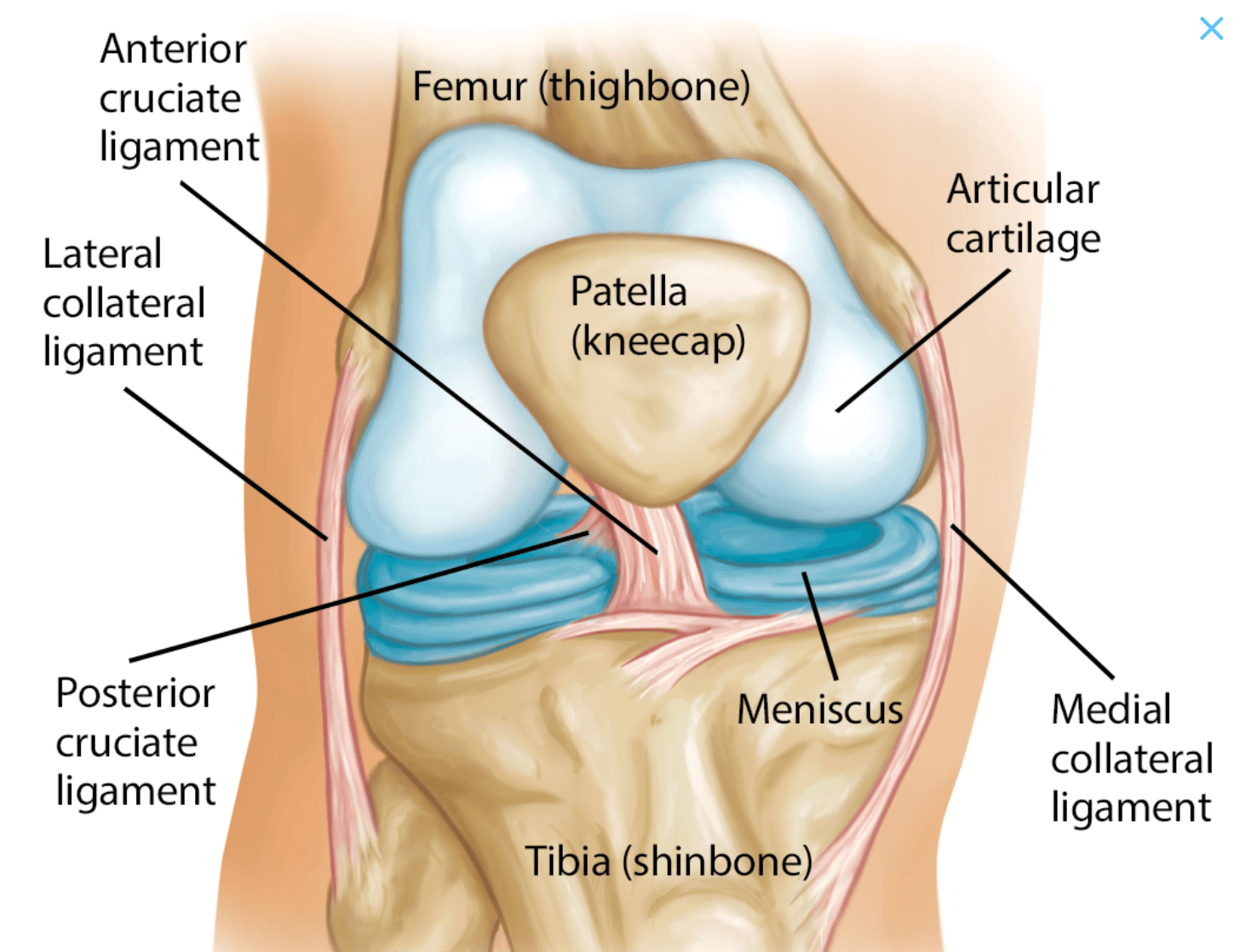
Progressive loss of cartilage can cause pain, stiffness, swelling, deformity, and difficulty with daily activity.
Prior fractures, ligament injuries, meniscal damage, or surgery may alter the mechanics of the knee and accelerate wear.
Conditions such as rheumatoid arthritis can damage cartilage, bone, and the supporting tissues around the knee.
Age-related meniscal tearing often occurs alongside arthritis and may contribute to pain, swelling, or catching.
Bow-legged or knock-kneed alignment can place excessive stress on one part of the knee and contribute to progressive degeneration.
Ligament insufficiency can cause the knee to feel unreliable, shift during activity, or become increasingly painful.
Identifying the true source of pain is the foundation of successful treatment.
The Evaluation
A recommendation for surgery should reflect more than a single image or examination finding. The entire clinical picture matters.
The location, character, duration, and pattern of pain help identify whether arthritis is truly responsible for the symptoms.
Motion, alignment, swelling, tenderness, ligament stability, strength, and walking mechanics are evaluated carefully.
Weight-bearing radiographs show how the knee functions under load and help define cartilage loss, deformity, and alignment.
Previous treatment, prior surgery, medical health, lifestyle, and personal goals all influence the recommendation.
Surgical Planning
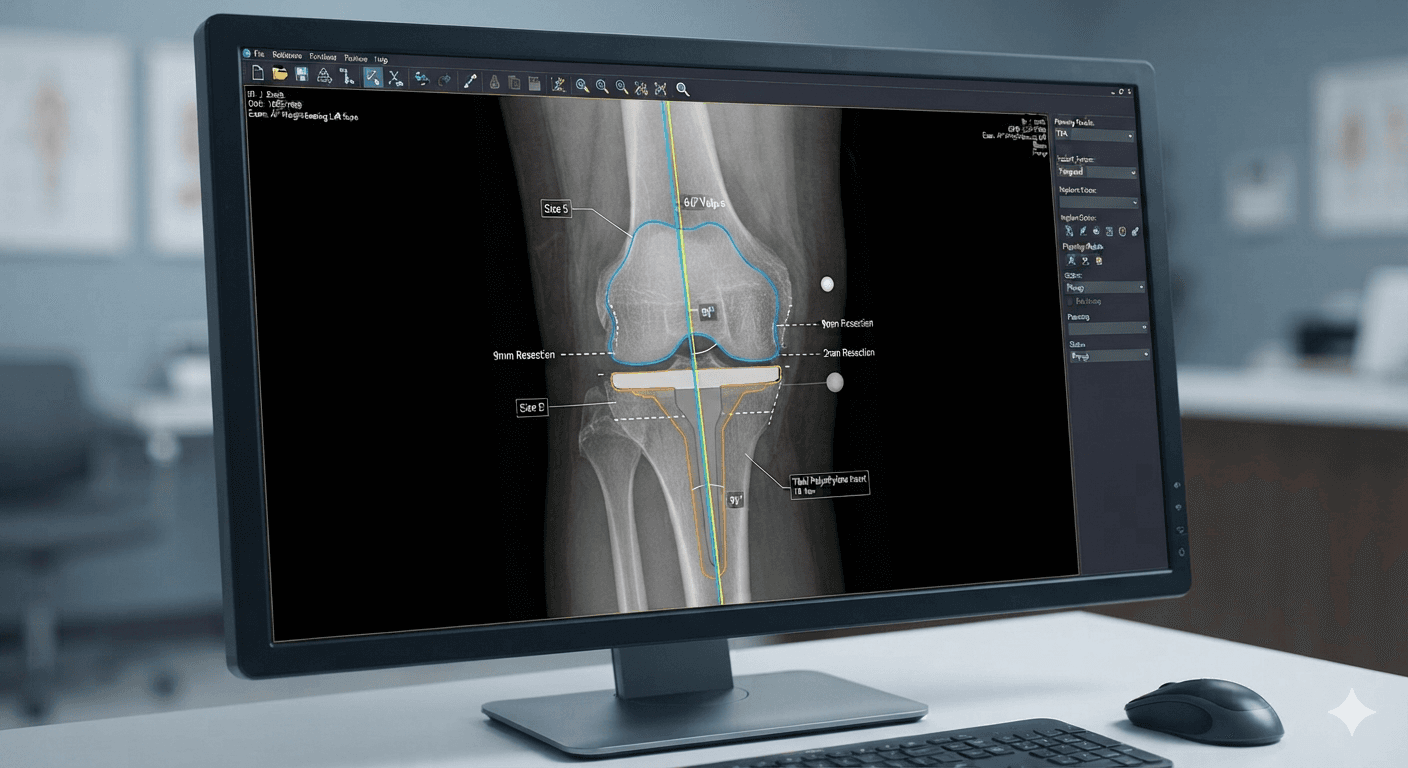
Knee replacement requires more than removing damaged surfaces and inserting implants. The reconstruction must account for the individual anatomy, pattern of arthritis, deformity, ligament condition, and quality of the surrounding bone.
The plan is developed around restoring a stable, balanced knee while avoiding a one-size-fits-all approach.
Overall limb alignment
Location and severity of deformity
Implant sizing and positioning
Ligament stability and balance
Bone quality and fixation
Restoration of knee mechanics
The operation begins long before the incision is made.

Outpatient Joint Replacement
Advances in anesthesia, multimodal pain management, surgical technique, and coordinated recovery protocols now allow many primary knee replacements to be performed in an outpatient surgery center.
For appropriately selected patients, surgery can often be completed without an overnight hospital stay, allowing recovery to begin in the comfort of home surrounded by family.
Every recommendation is individualized. Medical history, overall health, mobility, home support, and the complexity of the procedure all influence whether outpatient surgery is the safest option.
Many appropriately selected patients return home within hours of surgery and begin recovering in familiar surroundings.
Elective joint replacement is performed in an accredited outpatient surgery center designed around scheduled orthopedic care.
When an overnight hospital stay is the safer choice, that is the setting I recommend.
The goal is never simply to send patients home sooner. The goal is to help each patient recover in the environment that best supports a safe and successful recovery.
Recovery
Recovery differs from patient to patient. These stages provide a general framework rather than a fixed schedule.
Walking begins with assistance. Pain and nausea are addressed, and many patients return home once discharge goals are met.
The priorities are swelling control, pain management, knee motion, safe walking, and gradual transition away from assistive devices.
Strength, endurance, confidence, and walking mechanics improve as daily activities gradually resume.
The knee continues to mature as swelling decreases, strength returns, and function improves over the first year.
What Matters Most
The operation lasts a few hours. The outcome is measured over years.
Helping patients return to everyday life with less arthritis-related pain.
Creating a knee that feels dependable during walking, stairs, and normal daily movement.
Supporting the activities that matter most, from travel and exercise to gardening and time with family.
Common Questions
Knee replacement may be appropriate when arthritis causes persistent pain, stiffness, or loss of function despite reasonable nonsurgical treatment. The decision is based on symptoms, examination, imaging, health, and personal goals rather than an X-ray alone.
Many appropriately selected patients return home the day of surgery. Medical health, mobility, home support, anesthesia considerations, and procedural complexity all influence whether outpatient surgery is the safest option.
Pain and swelling are expected, particularly during the early weeks. Modern recovery protocols combine several medications, swelling control, early movement, and therapy to make recovery as manageable as possible.
Most patients participate in a structured rehabilitation program focused on restoring motion, strength, balance, and normal walking mechanics.
Modern knee replacements are designed for long-term use. Longevity depends on implant performance, activity level, body weight, bone quality, alignment, and other patient-specific factors.
Many patients can kneel safely once the incision has healed, although the front of the knee may remain sensitive or feel unusual. Comfort varies from person to person.
Driving depends on which knee was replaced, strength, reaction time, pain control, and whether narcotic pain medication is still required. Patients should not drive until they can operate the vehicle safely.
Simultaneous bilateral replacement may be considered in selected patients, but it carries different medical and recovery demands. For many patients, staged procedures are the safer and more manageable option.
Knee Consultation
Whether you are considering knee replacement or simply looking for another opinion, a consultation begins with understanding your symptoms, goals, and treatment options.
Schedule a Knee ConsultationBegin With Understanding
Whether you are considering your first joint replacement or seeking an opinion for a complex revision, every treatment plan begins with understanding your symptoms, reviewing your imaging, and discussing the options that best fit your goals.